
SPOILER ALERT!
Update Your Outdoor Atmosphere With Expert Tree Trimming Solutions
Web Content Written By-Helms Bagger
Enhance your outdoor area with professional tree cutting services that go beyond simply appearance. Professional tree cutting can substantially influence the health and wellness and vitality of your trees, bring about a more lasting landscape. By delegating your tree like skilled experts, you not only boost the visual charm of your exterior area however also make certain the long-lasting well-being of your precious trees. The benefits of specialist tree trimming extend far beyond plain appearance, providing an alternative strategy to preserving a prospering outside atmosphere.
To preserve the wellness and appearance of your trees, hiring specialist tree trimming services is crucial. Appropriate trimming not only enhances the aesthetic charm of your landscape yet also promotes the general health of your trees. By purchasing specialist tree cutting, you ensure that your trees obtain the treatment they need to flourish.
Specialist tree trimmers have the knowledge and experience to identify and get rid of infected or dead branches that might damage the tree or spread to other parts of the plant. Additionally, they can shape the tree to urge healthy and balanced growth patterns and enhance its architectural stability. Regular cutting additionally helps avoid overgrowth, which can bring about concerns such as congestion, inadequate air blood circulation, and prospective threats throughout tornados.
Furthermore, expert tree cutting services can boost the value of your home by preserving visually pleasing trees that complement your outside room. By delegating simply click the up coming website of your trees to professionals, you not just save effort and time however also make sure that your trees continue to be healthy and balanced and attractive for several years ahead.
Specialist tree cutting solutions can substantially boost the general aesthetic appeals of your landscape. By thoroughly forming and trimming trees, you can develop a much more aesthetically appealing outside space. Trimmed trees look cool and well-maintained, adding a sense of order and refinement to your landscape. In addition, tree cutting permits much better sunshine penetration and air circulation, promoting the health and development of your trees and other plants.
When trees are disordered or have dead branches, they can detract from the charm of your landscape. Expert trimming services can remove these undesirable aspects, boosting the overall appearance of your exterior space. Furthermore, appropriately trimmed trees can aid mount your residential or commercial property and emphasize its finest features. Whether you have ornamental trees, fruit trees, or color trees, specialist trimming can highlight the all-natural charm of each tree species.
When choosing a tree trimming service, consider their experience and track record in the market. Try to find a company that has a tested record of giving high quality tree cutting solutions. Experienced experts are most likely to take care of the task successfully and safely, ensuring the health and wellness and appearances of your trees. Look for certifications and licenses that show their proficiency and dedication to following market criteria.
Furthermore, it's vital to inquire about the equipment and methods the tree trimming solution uses. A trustworthy firm will have updated devices and expertise of the most up to date trimming techniques to guarantee the most effective results for your trees. Request for referrals or look for online testimonials to evaluate consumer fulfillment and the high quality of their work.
Don't fail to remember to go over rates and the extent of services supplied. Obtain a detailed quote that lays out the prices included and what particular tree trimming services are included. Keep in mind that the cheapest alternative may not always be the very best option when it concerns caring for your trees. By considering experience, credibility, strategies, and pricing, you can choose the ideal tree cutting solution for your outside area.
Final thought
To conclude, buying specialist tree trimming solutions can greatly improve the charm and health and wellness of your outdoor area.
By promoting healthy development patterns, improving sunshine penetration, and boosting air flow, specialist tree trimming can elevate the total aesthetic allure of your landscape.
Take advantage of your outside environment by choosing the appropriate tree trimming solution to ensure your trees are properly maintained and your home looks its best.
Enhance your outdoor area with professional tree cutting services that go beyond simply appearance. Professional tree cutting can substantially influence the health and wellness and vitality of your trees, bring about a more lasting landscape. By delegating your tree like skilled experts, you not only boost the visual charm of your exterior area however also make certain the long-lasting well-being of your precious trees. The benefits of specialist tree trimming extend far beyond plain appearance, providing an alternative strategy to preserving a prospering outside atmosphere.
Conveniences of Specialist Tree Trimming
To preserve the wellness and appearance of your trees, hiring specialist tree trimming services is crucial. Appropriate trimming not only enhances the aesthetic charm of your landscape yet also promotes the general health of your trees. By purchasing specialist tree cutting, you ensure that your trees obtain the treatment they need to flourish.
Specialist tree trimmers have the knowledge and experience to identify and get rid of infected or dead branches that might damage the tree or spread to other parts of the plant. Additionally, they can shape the tree to urge healthy and balanced growth patterns and enhance its architectural stability. Regular cutting additionally helps avoid overgrowth, which can bring about concerns such as congestion, inadequate air blood circulation, and prospective threats throughout tornados.
Furthermore, expert tree cutting services can boost the value of your home by preserving visually pleasing trees that complement your outside room. By delegating simply click the up coming website of your trees to professionals, you not just save effort and time however also make sure that your trees continue to be healthy and balanced and attractive for several years ahead.
Just How Expert Tree Trimming Improves Landscapes
Specialist tree cutting solutions can substantially boost the general aesthetic appeals of your landscape. By thoroughly forming and trimming trees, you can develop a much more aesthetically appealing outside space. Trimmed trees look cool and well-maintained, adding a sense of order and refinement to your landscape. In addition, tree cutting permits much better sunshine penetration and air circulation, promoting the health and development of your trees and other plants.
When trees are disordered or have dead branches, they can detract from the charm of your landscape. Expert trimming services can remove these undesirable aspects, boosting the overall appearance of your exterior space. Furthermore, appropriately trimmed trees can aid mount your residential or commercial property and emphasize its finest features. Whether you have ornamental trees, fruit trees, or color trees, specialist trimming can highlight the all-natural charm of each tree species.
Picking the Right Tree Trimming Service
When choosing a tree trimming service, consider their experience and track record in the market. Try to find a company that has a tested record of giving high quality tree cutting solutions. Experienced experts are most likely to take care of the task successfully and safely, ensuring the health and wellness and appearances of your trees. Look for certifications and licenses that show their proficiency and dedication to following market criteria.
Furthermore, it's vital to inquire about the equipment and methods the tree trimming solution uses. A trustworthy firm will have updated devices and expertise of the most up to date trimming techniques to guarantee the most effective results for your trees. Request for referrals or look for online testimonials to evaluate consumer fulfillment and the high quality of their work.
Don't fail to remember to go over rates and the extent of services supplied. Obtain a detailed quote that lays out the prices included and what particular tree trimming services are included. Keep in mind that the cheapest alternative may not always be the very best option when it concerns caring for your trees. By considering experience, credibility, strategies, and pricing, you can choose the ideal tree cutting solution for your outside area.
Final thought
To conclude, buying specialist tree trimming solutions can greatly improve the charm and health and wellness of your outdoor area.
By promoting healthy development patterns, improving sunshine penetration, and boosting air flow, specialist tree trimming can elevate the total aesthetic allure of your landscape.
Take advantage of your outside environment by choosing the appropriate tree trimming solution to ensure your trees are properly maintained and your home looks its best.

SPOILER ALERT!
Boost Your Outdoor Space With Skilled Tree Trimming Provider
Writer-Smedegaard Tange
Boost your exterior room with specialist tree trimming solutions that exceed just looks. Professional tree cutting can considerably affect the wellness and vigor of your trees, causing a much more lasting landscape. By entrusting your tree like experienced experts, you not only raise the visual appeal of your exterior location however likewise ensure the long-lasting well-being of your precious trees. The benefits of professional tree trimming expand much beyond simple appearance, supplying an alternative strategy to preserving a thriving outdoor setting.
To maintain the health and wellness and look of your trees, employing specialist tree trimming solutions is necessary. Appropriate cutting not just improves the visual charm of your landscape but likewise promotes the general health of your trees. By buying expert tree trimming, you make sure that your trees receive the treatment they need to prosper.
Expert tree leaners have the knowledge and experience to determine and remove diseased or dead branches that could harm the tree or spread to various other parts of the plant. Furthermore, they can shape the tree to urge healthy and balanced growth patterns and boost its structural honesty. Normal trimming also aids prevent overgrowth, which can cause problems such as overcrowding, bad air blood circulation, and possible threats throughout storms.
In addition, professional tree cutting services can boost the value of your home by maintaining visually pleasing trees that enhance your outside area. By delegating Suggested Reading of your trees to professionals, you not just conserve effort and time but additionally make sure that your trees stay healthy and balanced and attractive for years to find.
Professional tree cutting services can significantly improve the total looks of your landscape. By carefully forming and trimming trees, you can develop a more aesthetically enticing outside room. Trimmed trees look neat and properly maintained, including a sense of order and class to your landscape. Additionally, tree cutting permits better sunlight penetration and air blood circulation, advertising the wellness and development of your trees and other plants.
When take a look at the site here are overgrown or have dead branches, they can diminish the beauty of your landscape. Professional cutting services can remove these unwanted elements, boosting the total appearance of your outdoor space. Moreover, effectively trimmed trees can assist mount your home and highlight its best functions. Whether you have ornamental trees, fruit trees, or shade trees, expert cutting can bring out the natural beauty of each tree species.
When selecting a tree trimming service, consider their experience and track record in the market. Look for a company that has a tried and tested track record of giving top quality tree trimming solutions. Experienced professionals are more likely to take care of the task efficiently and safely, guaranteeing the health and wellness and aesthetics of your trees. Look for qualifications and licenses that demonstrate their knowledge and commitment to following industry criteria.
In addition, it's important to inquire about the equipment and methods the tree cutting service uses. A respectable firm will have updated tools and knowledge of the most recent trimming techniques to make sure the most effective outcomes for your trees. Request references or search for on the internet evaluations to gauge consumer satisfaction and the quality of their job.
Don't forget to review rates and the extent of services provided. Obtain a detailed quote that describes the costs included and what specific tree trimming solutions are included. Remember that the most inexpensive choice might not constantly be the best choice when it comes to looking after your trees. By considering experience, reputation, strategies, and prices, you can pick the best tree trimming solution for your outside space.
Final thought
To conclude, buying expert tree cutting solutions can substantially improve the charm and wellness of your exterior space.
By promoting healthy and balanced development patterns, boosting sunlight infiltration, and boosting air flow, specialist tree cutting can raise the total aesthetic allure of your landscape.
Take advantage of your outdoor atmosphere by choosing the appropriate tree cutting service to ensure your trees are properly maintained and your building looks its best.
Boost your exterior room with specialist tree trimming solutions that exceed just looks. Professional tree cutting can considerably affect the wellness and vigor of your trees, causing a much more lasting landscape. By entrusting your tree like experienced experts, you not only raise the visual appeal of your exterior location however likewise ensure the long-lasting well-being of your precious trees. The benefits of professional tree trimming expand much beyond simple appearance, supplying an alternative strategy to preserving a thriving outdoor setting.
Perks of Expert Tree Trimming
To maintain the health and wellness and look of your trees, employing specialist tree trimming solutions is necessary. Appropriate cutting not just improves the visual charm of your landscape but likewise promotes the general health of your trees. By buying expert tree trimming, you make sure that your trees receive the treatment they need to prosper.
Expert tree leaners have the knowledge and experience to determine and remove diseased or dead branches that could harm the tree or spread to various other parts of the plant. Furthermore, they can shape the tree to urge healthy and balanced growth patterns and boost its structural honesty. Normal trimming also aids prevent overgrowth, which can cause problems such as overcrowding, bad air blood circulation, and possible threats throughout storms.
In addition, professional tree cutting services can boost the value of your home by maintaining visually pleasing trees that enhance your outside area. By delegating Suggested Reading of your trees to professionals, you not just conserve effort and time but additionally make sure that your trees stay healthy and balanced and attractive for years to find.
Exactly How Specialist Tree Trimming Improves Landscapes
Professional tree cutting services can significantly improve the total looks of your landscape. By carefully forming and trimming trees, you can develop a more aesthetically enticing outside room. Trimmed trees look neat and properly maintained, including a sense of order and class to your landscape. Additionally, tree cutting permits better sunlight penetration and air blood circulation, advertising the wellness and development of your trees and other plants.
When take a look at the site here are overgrown or have dead branches, they can diminish the beauty of your landscape. Professional cutting services can remove these unwanted elements, boosting the total appearance of your outdoor space. Moreover, effectively trimmed trees can assist mount your home and highlight its best functions. Whether you have ornamental trees, fruit trees, or shade trees, expert cutting can bring out the natural beauty of each tree species.
Choosing the Right Tree Trimming Solution
When selecting a tree trimming service, consider their experience and track record in the market. Look for a company that has a tried and tested track record of giving top quality tree trimming solutions. Experienced professionals are more likely to take care of the task efficiently and safely, guaranteeing the health and wellness and aesthetics of your trees. Look for qualifications and licenses that demonstrate their knowledge and commitment to following industry criteria.
In addition, it's important to inquire about the equipment and methods the tree cutting service uses. A respectable firm will have updated tools and knowledge of the most recent trimming techniques to make sure the most effective outcomes for your trees. Request references or search for on the internet evaluations to gauge consumer satisfaction and the quality of their job.
Don't forget to review rates and the extent of services provided. Obtain a detailed quote that describes the costs included and what specific tree trimming solutions are included. Remember that the most inexpensive choice might not constantly be the best choice when it comes to looking after your trees. By considering experience, reputation, strategies, and prices, you can pick the best tree trimming solution for your outside space.
Final thought
To conclude, buying expert tree cutting solutions can substantially improve the charm and wellness of your exterior space.
By promoting healthy and balanced development patterns, boosting sunlight infiltration, and boosting air flow, specialist tree cutting can raise the total aesthetic allure of your landscape.
Take advantage of your outdoor atmosphere by choosing the appropriate tree cutting service to ensure your trees are properly maintained and your building looks its best.

SPOILER ALERT!
Exactly How To Recognize Usual Tree Problems And When To Call An Expert
Short Article Developed By-Kelleher Walther
Did you know that according to a recent survey, over 80% of tree-related mishaps are triggered by overlooked tree troubles? Comprehending exactly how to spot Click On this site can save you time, money, and possibly prevent unsafe circumstances in your backyard.
As you look out at the trees in your environments, some signs might be refined, while others are clear indications of problem. Are you positive in your capability to distinguish in between a healthy and balanced tree and one that requires specialist attention?
Remain tuned to find out how to identify typical tree issues and when it's vital to seek aid from a certified arborist.
Feeling uncertain regarding exactly how to identify indicators of tension in your trees? Watch out for wilting or blemished leaves, which might show a lack of water or nutrient deficiencies. Another usual sign is early leaf drop, particularly outside the typical seasonal adjustments.
Check for any kind of unusual bumps, cracks, or openings on the trunk, as these could be signs of condition or pest problem. Take notice of stunted development or dead branches, as these are red flags for potential tree stress and anxiety.
Lastly, observe the general appearance of the tree - a lack of vigor, such as sparse foliage or a leaning trunk, may recommend underlying concerns. Keep cautious and address these signs without delay to ensure your tree's wellness and durability.
If you see any kind of unusual bumps, fractures, or openings on the trunk of your tree, it might be a sign of tree bugs or diseases. These noticeable signs and symptoms are usually brought on by different insects, fungis, or bacteria that can damage your tree's health and wellness.
Look out for abrupt wilting, yellowing, or browning of leaves, irregular leaf development, or premature fallen leave decrease as these are indicators of potential parasite infestations or illness. Additionally, visible pests like caterpillars, beetles, or webbing on branches can additionally indicate a problem.
To properly determine the issue and establish the very best strategy, think about seeking advice from a professional arborist that can give a proper medical diagnosis and recommend suitable treatment to protect your tree's wellness.
When identifying if it's time to seek advice from an arborist, search for noticeable signs of tree distress that may need specialist knowledge. If you discover any of the adhering to indications, it's recommended to seek the assistance of an arborist:
- Unexpected fallen leave loss or wilting branches
- Unexplained holes or tooth cavities in the trunk
- Noticeable indicators of insect problem or illness
These signs and symptoms could be a measure of underlying problems that could endanger the health and stability of your trees. Consulting an arborist in such circumstances can aid diagnose the trouble precisely and offer ideal therapy to ensure the well-being of your trees.
Conclusion
Next time you see your tree looking a little off, bear in mind to trust your impulses.
Don't neglect the indicators of stress and anxiety, bugs, or conditions.
Remember, a healthy and balanced tree is a delighted tree.
So, when doubtful, don't be reluctant to employ a professional arborist to analyze the circumstance.
Besides, a stitch in time saves 9.

Did you know that according to a recent survey, over 80% of tree-related mishaps are triggered by overlooked tree troubles? Comprehending exactly how to spot Click On this site can save you time, money, and possibly prevent unsafe circumstances in your backyard.
As you look out at the trees in your environments, some signs might be refined, while others are clear indications of problem. Are you positive in your capability to distinguish in between a healthy and balanced tree and one that requires specialist attention?
Remain tuned to find out how to identify typical tree issues and when it's vital to seek aid from a certified arborist.
Common Signs of Tree Anxiety
Feeling uncertain regarding exactly how to identify indicators of tension in your trees? Watch out for wilting or blemished leaves, which might show a lack of water or nutrient deficiencies. Another usual sign is early leaf drop, particularly outside the typical seasonal adjustments.
Check for any kind of unusual bumps, cracks, or openings on the trunk, as these could be signs of condition or pest problem. Take notice of stunted development or dead branches, as these are red flags for potential tree stress and anxiety.
Lastly, observe the general appearance of the tree - a lack of vigor, such as sparse foliage or a leaning trunk, may recommend underlying concerns. Keep cautious and address these signs without delay to ensure your tree's wellness and durability.
Identifying Tree Vermins and Diseases
If you see any kind of unusual bumps, fractures, or openings on the trunk of your tree, it might be a sign of tree bugs or diseases. These noticeable signs and symptoms are usually brought on by different insects, fungis, or bacteria that can damage your tree's health and wellness.
Look out for abrupt wilting, yellowing, or browning of leaves, irregular leaf development, or premature fallen leave decrease as these are indicators of potential parasite infestations or illness. Additionally, visible pests like caterpillars, beetles, or webbing on branches can additionally indicate a problem.
To properly determine the issue and establish the very best strategy, think about seeking advice from a professional arborist that can give a proper medical diagnosis and recommend suitable treatment to protect your tree's wellness.
Knowing When to Get In Touch With an Arborist
When identifying if it's time to seek advice from an arborist, search for noticeable signs of tree distress that may need specialist knowledge. If you discover any of the adhering to indications, it's recommended to seek the assistance of an arborist:
- Unexpected fallen leave loss or wilting branches
- Unexplained holes or tooth cavities in the trunk
- Noticeable indicators of insect problem or illness
These signs and symptoms could be a measure of underlying problems that could endanger the health and stability of your trees. Consulting an arborist in such circumstances can aid diagnose the trouble precisely and offer ideal therapy to ensure the well-being of your trees.
Conclusion
Next time you see your tree looking a little off, bear in mind to trust your impulses.
Don't neglect the indicators of stress and anxiety, bugs, or conditions.
Remember, a healthy and balanced tree is a delighted tree.
So, when doubtful, don't be reluctant to employ a professional arborist to analyze the circumstance.
Besides, a stitch in time saves 9.

SPOILER ALERT!
Increase Your Home's Visual Charm Via Specialist Tree Trimming
Write-Up Produced By-Meyer Lane
To increase your home's aesthetic allure, consider the effective effect of correct tree trimming. Those rich and leafy giants in your lawn can include a touch of beauty and all-natural charm to your building.
However, without the ideal care, they might become unruly and outweigh the appeal of your surroundings. Yet worry not, as grasping the art of tree cutting can be the key to opening a picturesque landscape that will certainly make your next-door neighbors envious.
Correct tree cutting enhances the vigor and visual appeals of your landscape. Normal cutting advertises healthy and balanced development by removing dead or diseased branches, allowing for better air circulation and sunlight exposure.
By preserving correct tree framework, you can stop potential risks such as falling limbs throughout storms. Trimming also helps manage the size and shape of trees, avoiding them from encroaching on frameworks or bordering plants.
Furthermore, well-trimmed trees enhance visual appeal, making your residential or commercial property much more eye-catching and raising its total value. Keep in mind, working with a specialist arborist for tree cutting makes certain the work is done safely and appropriately, profiting both your landscape and the environment.
To maintain healthy and balanced and attractive trees in your landscape, it's necessary to comply with finest methods for tree maintenance. Consistently evaluate your trees for signs of condition, pest infestations, or structural issues.
Trim dead or broken branches to advertise brand-new development and protect against prospective dangers. Mulch around the base of your trees to keep moisture, manage dirt temperature level, and prevent weed development.
Water your trees deeply and less frequently to encourage deep origin growth. Stay clear of condensing the soil around your trees to make certain correct oxygenation.
Last but not least, talk to a certified arborist for expert recommendations on tree treatment and upkeep tailored to your details landscape and tree types. By applying these ideal practices, you can improve the wellness and charm of your trees for many years to find.
Boost your exterior room with basic yet reliable landscaping methods. Start by adding colorful blossoms and plants that match your home's exterior. Consider planting a mix of perennials and annuals for recurring selection.
Define pathways and boundaries with attractive stones or blocks to create a refined appearance. Install outdoor lighting to highlight crucial attributes and include a warm setting during the night.
Integrate a water feature like a tiny fountain or birdbath to bring in wildlife and develop a calming ambience. Maintain your grass well-kept by routinely cutting, edging, and removing any type of weeds.
Verdict
Ensure your trees are constantly looking their best with appropriate trimming. Homemade Tree Pruning Sealer like a well-groomed yard, properly maintained trees can boost your visual allure and make your outside room luster.
So get those trimming shears and provide your trees the love and attention they deserve. Fruit Tree Pruning Services Near Me will thank you with a fresh, sleek appearance that will certainly make the next-door neighbors envious.
To increase your home's aesthetic allure, consider the effective effect of correct tree trimming. Those rich and leafy giants in your lawn can include a touch of beauty and all-natural charm to your building.
However, without the ideal care, they might become unruly and outweigh the appeal of your surroundings. Yet worry not, as grasping the art of tree cutting can be the key to opening a picturesque landscape that will certainly make your next-door neighbors envious.
Importance of Tree Trimming
Correct tree cutting enhances the vigor and visual appeals of your landscape. Normal cutting advertises healthy and balanced development by removing dead or diseased branches, allowing for better air circulation and sunlight exposure.
By preserving correct tree framework, you can stop potential risks such as falling limbs throughout storms. Trimming also helps manage the size and shape of trees, avoiding them from encroaching on frameworks or bordering plants.
Furthermore, well-trimmed trees enhance visual appeal, making your residential or commercial property much more eye-catching and raising its total value. Keep in mind, working with a specialist arborist for tree cutting makes certain the work is done safely and appropriately, profiting both your landscape and the environment.
Best Practices for Tree Maintenance
To maintain healthy and balanced and attractive trees in your landscape, it's necessary to comply with finest methods for tree maintenance. Consistently evaluate your trees for signs of condition, pest infestations, or structural issues.
Trim dead or broken branches to advertise brand-new development and protect against prospective dangers. Mulch around the base of your trees to keep moisture, manage dirt temperature level, and prevent weed development.
Water your trees deeply and less frequently to encourage deep origin growth. Stay clear of condensing the soil around your trees to make certain correct oxygenation.
Last but not least, talk to a certified arborist for expert recommendations on tree treatment and upkeep tailored to your details landscape and tree types. By applying these ideal practices, you can improve the wellness and charm of your trees for many years to find.
Enhancing Outside Appeal
Boost your exterior room with basic yet reliable landscaping methods. Start by adding colorful blossoms and plants that match your home's exterior. Consider planting a mix of perennials and annuals for recurring selection.
Define pathways and boundaries with attractive stones or blocks to create a refined appearance. Install outdoor lighting to highlight crucial attributes and include a warm setting during the night.
Integrate a water feature like a tiny fountain or birdbath to bring in wildlife and develop a calming ambience. Maintain your grass well-kept by routinely cutting, edging, and removing any type of weeds.
Verdict
Ensure your trees are constantly looking their best with appropriate trimming. Homemade Tree Pruning Sealer like a well-groomed yard, properly maintained trees can boost your visual allure and make your outside room luster.
So get those trimming shears and provide your trees the love and attention they deserve. Fruit Tree Pruning Services Near Me will thank you with a fresh, sleek appearance that will certainly make the next-door neighbors envious.

SPOILER ALERT!
Recognizing Tree Troubles: An Overview To Do It Yourself Diagnosis And Knowing When To Seek Expert Help
why not try this out -Bray Valentine
Did you understand that according to a current survey, over 80% of tree-related mishaps are triggered by ignored tree issues? Recognizing exactly how to detect usual tree issues can save you time, money, and possibly protect against dangerous circumstances in your yard.
As you keep an eye out at the trees in your environments, some indications may be subtle, while others are clear indications of trouble. Are you positive in your capacity to separate in between a healthy tree and one that needs expert attention?
Keep tuned to find out just how to recognize common tree issues and when it's critical to seek assistance from a qualified arborist.
Feeling unsure regarding just how to acknowledge indicators of tension in your trees? Keep https://www.google.com/maps/uv?pb=!1s0x87695392e3f6d517%3A0xc91102aef5ddf5d8!5sPrecision%20Timber%20Felling!15sCgIgARICEAE&authuser=2&imagekey=!1e10!2sAF1QipNnOBggny-g9tGPgM_V01EFWuXYdUHq5s6rin4- out for wilting or stained fallen leaves, which can show an absence of water or nutrient deficiencies. Another usual indicator is premature leaf drop, specifically outside the normal seasonal adjustments.
Check for any type of uncommon bumps, splits, or holes on the trunk, as these could be signs of condition or bug invasion. Focus on stunted growth or dead branches, as these are warnings for prospective tree tension.
Finally, observe the total appearance of the tree - an absence of vitality, such as sporadic vegetation or a leaning trunk, might recommend underlying issues. Stay vigilant and address these indications immediately to ensure your tree's health and wellness and durability.
If you discover any type of unusual bumps, splits, or holes on the trunk of your tree, it might suggest tree insects or conditions. These noticeable signs are typically caused by different bugs, fungis, or bacteria that can hurt your tree's health and wellness.
Keep an eye out for unexpected wilting, yellowing, or browning of fallen leaves, irregular leaf growth, or early leaf decline as these are signs of possible pest problems or illness. Furthermore, visible insects like caterpillars, beetles, or webbing on branches can additionally represent a problem.
To properly identify the issue and determine the best strategy, consider consulting with a specialist arborist that can offer a correct diagnosis and recommend suitable therapy to protect your tree's well-being.
When figuring out if it's time to seek advice from an arborist, seek noticeable indications of tree distress that might require specialist experience. If you discover any one of the following indicators, it's a good idea to look for the assistance of an arborist:
- Sudden fallen leave loss or wilting branches
- Inexplicable holes or cavities in the trunk
- Visible indications of bug infestation or illness
These signs could be a sign of underlying issues that may threaten the health and wellness and security of your trees. Consulting an arborist in such situations can help diagnose the trouble accurately and provide proper therapy to make sure the wellness of your trees.
Conclusion
Next time you discover your tree looking a little off, keep in mind to trust your instincts.
Don't overlook the indicators of tension, parasites, or conditions.
Bear in mind, a healthy and balanced tree is a delighted tree.
So, when doubtful, don't think twice to call an expert arborist to examine the circumstance.
After all, a stitch in time saves 9.
Did you understand that according to a current survey, over 80% of tree-related mishaps are triggered by ignored tree issues? Recognizing exactly how to detect usual tree issues can save you time, money, and possibly protect against dangerous circumstances in your yard.
As you keep an eye out at the trees in your environments, some indications may be subtle, while others are clear indications of trouble. Are you positive in your capacity to separate in between a healthy tree and one that needs expert attention?
Keep tuned to find out just how to recognize common tree issues and when it's critical to seek assistance from a qualified arborist.
Common Indications of Tree Stress And Anxiety
Feeling unsure regarding just how to acknowledge indicators of tension in your trees? Keep https://www.google.com/maps/uv?pb=!1s0x87695392e3f6d517%3A0xc91102aef5ddf5d8!5sPrecision%20Timber%20Felling!15sCgIgARICEAE&authuser=2&imagekey=!1e10!2sAF1QipNnOBggny-g9tGPgM_V01EFWuXYdUHq5s6rin4- out for wilting or stained fallen leaves, which can show an absence of water or nutrient deficiencies. Another usual indicator is premature leaf drop, specifically outside the normal seasonal adjustments.
Check for any type of uncommon bumps, splits, or holes on the trunk, as these could be signs of condition or bug invasion. Focus on stunted growth or dead branches, as these are warnings for prospective tree tension.
Finally, observe the total appearance of the tree - an absence of vitality, such as sporadic vegetation or a leaning trunk, might recommend underlying issues. Stay vigilant and address these indications immediately to ensure your tree's health and wellness and durability.
Identifying Tree Pests and Diseases
If you discover any type of unusual bumps, splits, or holes on the trunk of your tree, it might suggest tree insects or conditions. These noticeable signs are typically caused by different bugs, fungis, or bacteria that can hurt your tree's health and wellness.
Keep an eye out for unexpected wilting, yellowing, or browning of fallen leaves, irregular leaf growth, or early leaf decline as these are signs of possible pest problems or illness. Furthermore, visible insects like caterpillars, beetles, or webbing on branches can additionally represent a problem.
To properly identify the issue and determine the best strategy, consider consulting with a specialist arborist that can offer a correct diagnosis and recommend suitable therapy to protect your tree's well-being.
Recognizing When to Speak With an Arborist
When figuring out if it's time to seek advice from an arborist, seek noticeable indications of tree distress that might require specialist experience. If you discover any one of the following indicators, it's a good idea to look for the assistance of an arborist:
- Sudden fallen leave loss or wilting branches
- Inexplicable holes or cavities in the trunk
- Visible indications of bug infestation or illness
These signs could be a sign of underlying issues that may threaten the health and wellness and security of your trees. Consulting an arborist in such situations can help diagnose the trouble accurately and provide proper therapy to make sure the wellness of your trees.
Conclusion
Next time you discover your tree looking a little off, keep in mind to trust your instincts.
Don't overlook the indicators of tension, parasites, or conditions.
Bear in mind, a healthy and balanced tree is a delighted tree.
So, when doubtful, don't think twice to call an expert arborist to examine the circumstance.
After all, a stitch in time saves 9.

SPOILER ALERT!
Begin Your Journey To A Much More Attractive Home With The Transformative Power Of Correct Tree Trimming-- The Secret To Enhancing Your Visual Appeal
Write-Up Author-Baker Mattingly
To boost your home's aesthetic attraction, think about the effective effect of appropriate tree cutting. Those lavish and leafed titans in your lawn can add a touch of elegance and all-natural charm to your home.
Nonetheless, without the ideal care, they could come to be rowdy and eclipse the beauty of your environments. But fear not, as understanding the art of tree cutting can be the key to opening an attractive landscape that will certainly make your next-door neighbors envious.
Proper tree trimming boosts the vitality and aesthetic appeals of your landscape. Routine cutting promotes healthy development by getting rid of dead or diseased branches, permitting better air circulation and sunlight exposure.
By keeping proper tree framework, you can protect against possible risks such as falling arm or legs during storms. Trimming also assists control the shapes and size of trees, preventing them from encroaching on frameworks or surrounding plants.
Furthermore, well-trimmed trees improve aesthetic charm, making your home more appealing and boosting its general value. Keep in mind, employing an expert arborist for tree cutting makes certain the work is done safely and correctly, benefiting both your landscape and the setting.
To preserve healthy and appealing trees in your landscape, it's important to comply with ideal practices for tree upkeep. Routinely inspect your trees for indicators of condition, pest infestations, or structural concerns.
https://ento.psu.edu/news/spotted-lanternfly-expert-provides-tips-for-home-management-of-pest or damaged branches to promote new development and protect against prospective threats. Compost around the base of your trees to preserve moisture, control soil temperature, and prevent weed growth.
Water your trees deeply and less regularly to motivate deep origin development. Stay clear of condensing the dirt around your trees to make certain correct oxygenation.
Last but not least, seek advice from a certified arborist for skilled guidance on tree care and maintenance customized to your certain landscape and tree varieties. By implementing https://mgyb.co/s/kKoYb , you can improve the wellness and appeal of your trees for several years to find.
Improve your outside space with easy yet efficient landscaping strategies. Beginning by adding vibrant flowers and plants that match your home's exterior. Consider growing a mix of perennials and annuals for recurring range.
Specify paths and borders with attractive rocks or bricks to create a sleek look. Mount exterior lighting to highlight crucial functions and add a warm ambiance throughout the night.
Incorporate a water feature like a tiny water fountain or birdbath to draw in wild animals and develop a soothing environment. Maintain your grass well-kept by frequently cutting, edging, and removing any weeds.
Verdict
Make certain your trees are constantly looking their finest with correct trimming. Similar to a clean garden, properly maintained trees can enhance your curb appeal and make your outside room luster.
So grab those pruning shears and offer your trees the love and focus they deserve. Your home will thanks with a fresh, polished look that will make the next-door neighbors jealous.

To boost your home's aesthetic attraction, think about the effective effect of appropriate tree cutting. Those lavish and leafed titans in your lawn can add a touch of elegance and all-natural charm to your home.
Nonetheless, without the ideal care, they could come to be rowdy and eclipse the beauty of your environments. But fear not, as understanding the art of tree cutting can be the key to opening an attractive landscape that will certainly make your next-door neighbors envious.
Importance of Tree Trimming
Proper tree trimming boosts the vitality and aesthetic appeals of your landscape. Routine cutting promotes healthy development by getting rid of dead or diseased branches, permitting better air circulation and sunlight exposure.
By keeping proper tree framework, you can protect against possible risks such as falling arm or legs during storms. Trimming also assists control the shapes and size of trees, preventing them from encroaching on frameworks or surrounding plants.
Furthermore, well-trimmed trees improve aesthetic charm, making your home more appealing and boosting its general value. Keep in mind, employing an expert arborist for tree cutting makes certain the work is done safely and correctly, benefiting both your landscape and the setting.
Best Practices for Tree Maintenance
To preserve healthy and appealing trees in your landscape, it's important to comply with ideal practices for tree upkeep. Routinely inspect your trees for indicators of condition, pest infestations, or structural concerns.
https://ento.psu.edu/news/spotted-lanternfly-expert-provides-tips-for-home-management-of-pest or damaged branches to promote new development and protect against prospective threats. Compost around the base of your trees to preserve moisture, control soil temperature, and prevent weed growth.
Water your trees deeply and less regularly to motivate deep origin development. Stay clear of condensing the dirt around your trees to make certain correct oxygenation.
Last but not least, seek advice from a certified arborist for skilled guidance on tree care and maintenance customized to your certain landscape and tree varieties. By implementing https://mgyb.co/s/kKoYb , you can improve the wellness and appeal of your trees for several years to find.
Enhancing Outside Appeal
Improve your outside space with easy yet efficient landscaping strategies. Beginning by adding vibrant flowers and plants that match your home's exterior. Consider growing a mix of perennials and annuals for recurring range.
Specify paths and borders with attractive rocks or bricks to create a sleek look. Mount exterior lighting to highlight crucial functions and add a warm ambiance throughout the night.
Incorporate a water feature like a tiny water fountain or birdbath to draw in wild animals and develop a soothing environment. Maintain your grass well-kept by frequently cutting, edging, and removing any weeds.
Verdict
Make certain your trees are constantly looking their finest with correct trimming. Similar to a clean garden, properly maintained trees can enhance your curb appeal and make your outside room luster.
So grab those pruning shears and offer your trees the love and focus they deserve. Your home will thanks with a fresh, polished look that will make the next-door neighbors jealous.

SPOILER ALERT!
Only By Understanding These Crucial Tree Service Ideas Can Property Owners Protect Their Trees From A Silent Danger That Awaits, Prepared To Be Unveiled
Author-Jeppesen Kelly
As a property owner, your trees represent the elegance and vigor of your residential or commercial property. Yet, guaranteeing their health and wellness needs greater than simply adoration from afar.
Comprehending essential tree solution tips is critical in keeping their durability and protecting your outside area. From the value of normal tree upkeep to the challenges of common pruning mistakes, there are key insights that can assist you safeguard your trees.
Yet there's one aspect that often goes undetected, lurking calmly till it's far too late.
Normal tree maintenance offers homeowners a myriad of advantages, ranging from enhancing aesthetic interest promoting total tree health and wellness. By on a regular basis pruning your trees, you not only boost their appearance however likewise guarantee they grow strong and healthy.
Cutting dead or overgrown branches assists stop possible threats like falling arm or legs during storms, safeguarding your property and enjoyed ones. Furthermore, appropriate maintenance can raise sunshine penetration and air blood circulation throughout the tree, promoting optimum growth problems.
Regular tree care additionally helps in early detection of diseases or insect infestations, allowing for prompt intervention and treatment. Generally, investing in regular tree upkeep not only beautifies your landscape however additionally contributes to the durability and vigor of your trees.
To guarantee healthy and appropriate tree growth, it's critical to stay clear of usual trimming errors that can hurt your trees over time. Below are five common tree pruning blunders to avoid:
- ** Covering **: Stay clear of cutting off the tops of trees as it can cause weak regrowth.
- ** Over-Pruning **: Withstand the urge to over-prune, as it can emphasize the tree and hinder its development.
- ** How To Remove Small Tree Stumps **: Ensure you prune at the right time of year to promote recovery and growth.
- ** Neglecting Tools Upkeep **: Maintain your pruning devices sharp and tidy to make exact cuts.
- ** Reducing As Well Close **: Stay clear of cutting too near to the trunk or branch collar to avoid damages and decay.
Exactly how can you properly determine and resolve tree conditions to make certain the health and wellness and durability of your trees?
Regularly check your trees for signs of disease such as uncommon spots on leaves, staining, or uncommon developments. If https://mgyb.co/s/Oktyo observe any one of these signs, consult with a qualified arborist to precisely diagnose the concern.
Immediately dealing with tree conditions is vital to stop them from infecting other trees in your yard. Relying on the disease, treatments like trimming impacted branches, using fungicides, or improving soil drainage may be essential.
Bear in mind to follow correct sanitation methods, such as cleansing devices in between trees, to prevent spreading out diseases inadvertently. By being positive and attentive, you can aid secure your trees from potentially devastating ailments.
Final thought
Now that you recognize the essential tree service suggestions, bear in mind to keep your trees healthy and balanced and vibrant.
By pruning thoroughly, identifying conditions early, and keeping normal maintenance, you can guarantee your trees grow for several years ahead.
Just like a tree blossoming in spring, your efforts will thrive in the form of attractive, healthy trees that improve your building's elegance and value.
Maintain the great!
As a property owner, your trees represent the elegance and vigor of your residential or commercial property. Yet, guaranteeing their health and wellness needs greater than simply adoration from afar.
Comprehending essential tree solution tips is critical in keeping their durability and protecting your outside area. From the value of normal tree upkeep to the challenges of common pruning mistakes, there are key insights that can assist you safeguard your trees.
Yet there's one aspect that often goes undetected, lurking calmly till it's far too late.
Conveniences of Normal Tree Maintenance
Normal tree maintenance offers homeowners a myriad of advantages, ranging from enhancing aesthetic interest promoting total tree health and wellness. By on a regular basis pruning your trees, you not only boost their appearance however likewise guarantee they grow strong and healthy.
Cutting dead or overgrown branches assists stop possible threats like falling arm or legs during storms, safeguarding your property and enjoyed ones. Furthermore, appropriate maintenance can raise sunshine penetration and air blood circulation throughout the tree, promoting optimum growth problems.
Regular tree care additionally helps in early detection of diseases or insect infestations, allowing for prompt intervention and treatment. Generally, investing in regular tree upkeep not only beautifies your landscape however additionally contributes to the durability and vigor of your trees.
Common Tree Trimming Mistakes to Avoid
To guarantee healthy and appropriate tree growth, it's critical to stay clear of usual trimming errors that can hurt your trees over time. Below are five common tree pruning blunders to avoid:
- ** Covering **: Stay clear of cutting off the tops of trees as it can cause weak regrowth.
- ** Over-Pruning **: Withstand the urge to over-prune, as it can emphasize the tree and hinder its development.
- ** How To Remove Small Tree Stumps **: Ensure you prune at the right time of year to promote recovery and growth.
- ** Neglecting Tools Upkeep **: Maintain your pruning devices sharp and tidy to make exact cuts.
- ** Reducing As Well Close **: Stay clear of cutting too near to the trunk or branch collar to avoid damages and decay.
Identifying and Dealing With Tree Conditions
Exactly how can you properly determine and resolve tree conditions to make certain the health and wellness and durability of your trees?
Regularly check your trees for signs of disease such as uncommon spots on leaves, staining, or uncommon developments. If https://mgyb.co/s/Oktyo observe any one of these signs, consult with a qualified arborist to precisely diagnose the concern.
Immediately dealing with tree conditions is vital to stop them from infecting other trees in your yard. Relying on the disease, treatments like trimming impacted branches, using fungicides, or improving soil drainage may be essential.
Bear in mind to follow correct sanitation methods, such as cleansing devices in between trees, to prevent spreading out diseases inadvertently. By being positive and attentive, you can aid secure your trees from potentially devastating ailments.
Final thought
Now that you recognize the essential tree service suggestions, bear in mind to keep your trees healthy and balanced and vibrant.
By pruning thoroughly, identifying conditions early, and keeping normal maintenance, you can guarantee your trees grow for several years ahead.
Just like a tree blossoming in spring, your efforts will thrive in the form of attractive, healthy trees that improve your building's elegance and value.
Maintain the great!

SPOILER ALERT!
Reveal The Optimal Timing For Trimming Numerous Tree Types To Improve Their Wellness And Growth - Discover The Keys Behind When To Cut For Optimum Advantages!
click the up coming post Created By-Thuesen Due
Together, the timing of when you trim your trees can considerably influence their general wellness and growth. Different tree types have certain windows throughout which trimming is most beneficial, making certain optimal results. Recognizing these timelines can make a significant difference in the well-being of your trees.
Curious to uncover when your certain tree species prospers best after a trim? Keep tuned to learn a knockout post to trim deciduous trees, evergreens, and fruit trees for maximum benefit.
To achieve ideal results, prune deciduous trees throughout their inactive period. This period generally occurs in late wintertime to very early springtime, before brand-new growth starts.
By pruning throughout dormancy, you can conveniently see the tree's framework without the interruption of vegetation. Beginning by getting rid of dead or infected branches, complied with by any going across or scrubing limbs. Purpose to shape the tree by cutting down to a lateral branch or bud, making sure a clean cut to promote proper healing.
Avoid hefty pruning during the late autumn, as it might stimulate brand-new development that could be harmed by winter months frost. Keep in mind, appropriate timing and technique are vital for the health and appearance of your deciduous trees.
When concentrating on the pruning timetable for evergreens, it's vital to consider the unique qualities of these trees contrasted to deciduous species. Evergreens, with their year-round foliage, need a slightly different strategy to trimming for optimal health and wellness and appearances. Right here are some bottom lines to remember:
- ** Timing: **.
- ** Early Springtime **: Ideal for light trimming to form the tree.
- ** Late Winter Season **: Suitable for significant pruning to control size.
- ** Stay Clear Of Late Loss **: Pruning throughout this time can impede winter months strength.
- ** Strategy: **.
- Use sharp, tidy tools to make exact cuts.
- Trim new growth to keep wanted form.
- Get rid of dead or infected branches immediately for tree vitality.
For optimum development and fruit production, trim your fruit trees at specific times throughout the year. The very best time to prune fruit trees is during late wintertime or early spring while they're still inactive. Trimming during this duration aids boost new growth once the trees start budding.
It's crucial to avoid pruning too late in the springtime as it may cause extreme sap loss. Additionally, summertime trimming can be done to eliminate any kind of water sprouts or suckers that may have arised. However, major pruning should be booked for the dormant period to stop emphasizing the trees.
Verdict.
Since you recognize when to prune various tree species, keep in mind that pruning isn't practically maintenance, but concerning growth and renewal.
Much like trees lost their leaves in the be up to plan for new development in the springtime, trimming permits us to let go of what no longer offers us to make room for brand-new possibilities and possibilities.
Embrace the pruning process and watch on your own flower like a well-tended tree.
Together, the timing of when you trim your trees can considerably influence their general wellness and growth. Different tree types have certain windows throughout which trimming is most beneficial, making certain optimal results. Recognizing these timelines can make a significant difference in the well-being of your trees.
Curious to uncover when your certain tree species prospers best after a trim? Keep tuned to learn a knockout post to trim deciduous trees, evergreens, and fruit trees for maximum benefit.
Trimming Timing for Deciduous Trees
To achieve ideal results, prune deciduous trees throughout their inactive period. This period generally occurs in late wintertime to very early springtime, before brand-new growth starts.
By pruning throughout dormancy, you can conveniently see the tree's framework without the interruption of vegetation. Beginning by getting rid of dead or infected branches, complied with by any going across or scrubing limbs. Purpose to shape the tree by cutting down to a lateral branch or bud, making sure a clean cut to promote proper healing.
Avoid hefty pruning during the late autumn, as it might stimulate brand-new development that could be harmed by winter months frost. Keep in mind, appropriate timing and technique are vital for the health and appearance of your deciduous trees.
Optimum Trimming Arrange for Evergreens
When concentrating on the pruning timetable for evergreens, it's vital to consider the unique qualities of these trees contrasted to deciduous species. Evergreens, with their year-round foliage, need a slightly different strategy to trimming for optimal health and wellness and appearances. Right here are some bottom lines to remember:
- ** Timing: **.
- ** Early Springtime **: Ideal for light trimming to form the tree.
- ** Late Winter Season **: Suitable for significant pruning to control size.
- ** Stay Clear Of Late Loss **: Pruning throughout this time can impede winter months strength.
- ** Strategy: **.
- Use sharp, tidy tools to make exact cuts.
- Trim new growth to keep wanted form.
- Get rid of dead or infected branches immediately for tree vitality.
Best Times to Prune Fruit Trees
For optimum development and fruit production, trim your fruit trees at specific times throughout the year. The very best time to prune fruit trees is during late wintertime or early spring while they're still inactive. Trimming during this duration aids boost new growth once the trees start budding.
It's crucial to avoid pruning too late in the springtime as it may cause extreme sap loss. Additionally, summertime trimming can be done to eliminate any kind of water sprouts or suckers that may have arised. However, major pruning should be booked for the dormant period to stop emphasizing the trees.
Verdict.
Since you recognize when to prune various tree species, keep in mind that pruning isn't practically maintenance, but concerning growth and renewal.
Much like trees lost their leaves in the be up to plan for new development in the springtime, trimming permits us to let go of what no longer offers us to make room for brand-new possibilities and possibilities.
Embrace the pruning process and watch on your own flower like a well-tended tree.

SPOILER ALERT!
Discover The Essential Reasons Tree Elimination Is Important For Both Safety And Security And Aesthetics On Your Residential Or Commercial Property, And Exactly How It Can Change Your Outside Area
Web Content By-Mercado Lindahl
If your property is like a canvas waiting for a work of art, after that the trees on it are the bold strokes that can either enhance or interfere with the overall picture.
When it comes to guaranteeing your residential property's safety and looks, tree removal plays an essential function. Photo a circumstance where thick branches loom precariously over your roof covering, or a rotting tree endangers to fall onto your driveway. The possible dangers these scenarios posture are not to be undervalued.
Nonetheless, beyond just safety and security issues, tree removal can additionally significantly affect the visual charm of your residential or commercial property. Prior to you dismiss the concept, consider the myriad benefits that await you with thoughtful tree removal techniques.
To make certain the security of your building and those around it, dealing with prospective hazards via tree removal is necessary. https://drive.google.com/file/d/1k9V55qWlRPvxJTUviqL0vESiBeFEctV2/view?usp=sharing can present threats during tornados or due to decay, making it critical to get rid of any unstable or dead trees without delay.
By getting rid of these hazards, you reduce the chances of residential or commercial property damage, injury, or even death. Furthermore, getting rid of trees that are too near to frameworks can protect against damages from falling branches or origins.
Frequently assessing your trees and taking action when essential is an aggressive method to securing your residential or commercial property. Focusing on security via tree removal not only shields your personal belongings however additionally makes sure the health of your household and next-door neighbors.
By addressing safety issues through tree removal, you not just shield your building and those around it however also improve the aesthetics of your landscape. Removing overgrown or dead trees can open up your residential property, permitting even more sunshine to reach your garden or home. This raised sunshine can advertise much healthier lawn, flowers, and various other plants, making your outdoor space extra vivid and welcoming.
In addition, tree elimination can create a cleaner and more organized appearance, giving your home a well-kept and polished appearance. By purposefully removing trees that block sights or block the visual flow of your landscape, you can boost the general visual charm of your building, making it a lot more appealing and enjoyable for both homeowners and visitors.
Increasing the value and allure of your residential or commercial property is a direct outcome of critical tree elimination. By eliminating trees purposefully, you can:
1. ** Improve Aesthetic Appeal: ** Eliminating thick or broken trees can promptly enhance the total appearance of your home.
2. ** Boost Residential Property Worth: ** A properly maintained landscape with purposefully removed trees can dramatically elevate your building's value.
3. ** Allow for Better Landscaping: ** Removing trees opens up opportunities for brand-new landscape design designs and attributes.
4. ** Reduce Maintenance Costs: ** Getting rid of trees that need high upkeep can conserve you money in the long run while keeping your residential or commercial property looking beautiful.
Verdict
So there you have it folks, tree removal can be a genuine game changer for your residential property. Bid farewell to dropping branches and hey there to an extra attractive landscape.
Your next-door neighbors will be green with envy at your safety-conscious and visually pleasing backyard. find out this here understood that chopping down trees could bring a lot joy and appreciation?
Maintain the good work, homeowner extraordinaire!
If your property is like a canvas waiting for a work of art, after that the trees on it are the bold strokes that can either enhance or interfere with the overall picture.
When it comes to guaranteeing your residential property's safety and looks, tree removal plays an essential function. Photo a circumstance where thick branches loom precariously over your roof covering, or a rotting tree endangers to fall onto your driveway. The possible dangers these scenarios posture are not to be undervalued.
Nonetheless, beyond just safety and security issues, tree removal can additionally significantly affect the visual charm of your residential or commercial property. Prior to you dismiss the concept, consider the myriad benefits that await you with thoughtful tree removal techniques.
Safety Worries Addressed
To make certain the security of your building and those around it, dealing with prospective hazards via tree removal is necessary. https://drive.google.com/file/d/1k9V55qWlRPvxJTUviqL0vESiBeFEctV2/view?usp=sharing can present threats during tornados or due to decay, making it critical to get rid of any unstable or dead trees without delay.
By getting rid of these hazards, you reduce the chances of residential or commercial property damage, injury, or even death. Furthermore, getting rid of trees that are too near to frameworks can protect against damages from falling branches or origins.
Frequently assessing your trees and taking action when essential is an aggressive method to securing your residential or commercial property. Focusing on security via tree removal not only shields your personal belongings however additionally makes sure the health of your household and next-door neighbors.
Aesthetic Enhancements Achieved
By addressing safety issues through tree removal, you not just shield your building and those around it however also improve the aesthetics of your landscape. Removing overgrown or dead trees can open up your residential property, permitting even more sunshine to reach your garden or home. This raised sunshine can advertise much healthier lawn, flowers, and various other plants, making your outdoor space extra vivid and welcoming.
In addition, tree elimination can create a cleaner and more organized appearance, giving your home a well-kept and polished appearance. By purposefully removing trees that block sights or block the visual flow of your landscape, you can boost the general visual charm of your building, making it a lot more appealing and enjoyable for both homeowners and visitors.
Residential Property Value and Appeal Boosted
Increasing the value and allure of your residential or commercial property is a direct outcome of critical tree elimination. By eliminating trees purposefully, you can:
1. ** Improve Aesthetic Appeal: ** Eliminating thick or broken trees can promptly enhance the total appearance of your home.
2. ** Boost Residential Property Worth: ** A properly maintained landscape with purposefully removed trees can dramatically elevate your building's value.
3. ** Allow for Better Landscaping: ** Removing trees opens up opportunities for brand-new landscape design designs and attributes.
4. ** Reduce Maintenance Costs: ** Getting rid of trees that need high upkeep can conserve you money in the long run while keeping your residential or commercial property looking beautiful.
Verdict
So there you have it folks, tree removal can be a genuine game changer for your residential property. Bid farewell to dropping branches and hey there to an extra attractive landscape.
Your next-door neighbors will be green with envy at your safety-conscious and visually pleasing backyard. find out this here understood that chopping down trees could bring a lot joy and appreciation?
Maintain the good work, homeowner extraordinaire!

SPOILER ALERT!
Tree Extraction Is Essential For The Wellness Of Your Residential Or Commercial Property And Its Appearance
Personnel Author-Meadows McGraw
If your property is like a canvas waiting for a work of art, after that the trees on it are the vibrant strokes that can either boost or interrupt the general image.
When https://drive.google.com/file/d/1FFqgdqOtdugudW07BDF5kxuCnhAZ_KyA/view?usp=sharing comes to ensuring your building's safety and security and aesthetics, tree removal plays a crucial role. Photo a scenario where overgrown branches impend precariously over your roofing system, or a rotting tree intimidates to drop onto your driveway. The prospective risks these circumstances posture are not to be taken too lightly.
Nevertheless, past just security issues, tree removal can likewise significantly impact the visual allure of your property. Before you dismiss the concept, think about the myriad benefits that await you with thoughtful tree elimination practices.
To guarantee the security of your home and those around it, dealing with possible dangers with tree elimination is essential. Trees can position dangers during storms or due to degeneration, making it vital to get rid of any kind of unstable or dead trees quickly.
By eliminating these risks, you minimize the possibilities of home damages, personal injury, or even death. Additionally, removing trees that are also close to structures can prevent damages from falling branches or roots.
Regularly assessing your trees and doing something about it when needed is a proactive strategy to securing your residential or commercial property. Prioritizing safety and security with tree removal not only shields your possessions yet also makes certain the wellness of your household and next-door neighbors.
By resolving safety problems via tree elimination, you not only safeguard your home and those around it but likewise improve the visual appeals of your landscape. Removing overgrown or https://kevsbest.com/best-landscaping-companies-in-los-angeles/ can open your residential or commercial property, allowing more sunlight to reach your yard or home. This raised sunshine can advertise much healthier grass, blossoms, and various other plants, making your outdoor space a lot more vivid and inviting.
Furthermore, tree elimination can create a cleaner and a lot more orderly appearance, providing your building a well-maintained and sleek look. By purposefully removing trees that block sights or block the visual flow of your landscape, you can enhance the general aesthetic allure of your home, making it a lot more attractive and pleasurable for both citizens and visitors.
Increasing the worth and appeal of your home is a direct result of strategic tree elimination. By getting rid of trees strategically, you can:
1. ** Enhance Aesthetic Allure: ** Getting rid of disordered or damaged trees can instantly boost the overall appearance of your home.
2. ** Boost Residential Property Value: ** A well-maintained landscape with purposefully removed trees can substantially increase your residential or commercial property's value.
3. ** Enable Better Landscape Design: ** Removing trees opens opportunities for new landscaping styles and functions.
4. ** Decrease Maintenance Expenses: ** Eliminating trees that need high upkeep can conserve you cash in the long run while keeping your building looking immaculate.
Conclusion
So there you have it folks, tree removal can be an actual video game changer for your residential or commercial property. Bid farewell to falling branches and hello to a more stunning landscape.
Your neighbors will certainly be green with envy at your safety-conscious and visually pleasing yard. Who understood that chopping down trees could bring so much joy and appreciation?
Maintain the great, property owner extraordinaire!

If your property is like a canvas waiting for a work of art, after that the trees on it are the vibrant strokes that can either boost or interrupt the general image.
When https://drive.google.com/file/d/1FFqgdqOtdugudW07BDF5kxuCnhAZ_KyA/view?usp=sharing comes to ensuring your building's safety and security and aesthetics, tree removal plays a crucial role. Photo a scenario where overgrown branches impend precariously over your roofing system, or a rotting tree intimidates to drop onto your driveway. The prospective risks these circumstances posture are not to be taken too lightly.
Nevertheless, past just security issues, tree removal can likewise significantly impact the visual allure of your property. Before you dismiss the concept, think about the myriad benefits that await you with thoughtful tree elimination practices.
Security Concerns Dealt With
To guarantee the security of your home and those around it, dealing with possible dangers with tree elimination is essential. Trees can position dangers during storms or due to degeneration, making it vital to get rid of any kind of unstable or dead trees quickly.
By eliminating these risks, you minimize the possibilities of home damages, personal injury, or even death. Additionally, removing trees that are also close to structures can prevent damages from falling branches or roots.
Regularly assessing your trees and doing something about it when needed is a proactive strategy to securing your residential or commercial property. Prioritizing safety and security with tree removal not only shields your possessions yet also makes certain the wellness of your household and next-door neighbors.
Aesthetic Enhancements Achieved
By resolving safety problems via tree elimination, you not only safeguard your home and those around it but likewise improve the visual appeals of your landscape. Removing overgrown or https://kevsbest.com/best-landscaping-companies-in-los-angeles/ can open your residential or commercial property, allowing more sunlight to reach your yard or home. This raised sunshine can advertise much healthier grass, blossoms, and various other plants, making your outdoor space a lot more vivid and inviting.
Furthermore, tree elimination can create a cleaner and a lot more orderly appearance, providing your building a well-maintained and sleek look. By purposefully removing trees that block sights or block the visual flow of your landscape, you can enhance the general aesthetic allure of your home, making it a lot more attractive and pleasurable for both citizens and visitors.
Home Value and Allure Boosted
Increasing the worth and appeal of your home is a direct result of strategic tree elimination. By getting rid of trees strategically, you can:
1. ** Enhance Aesthetic Allure: ** Getting rid of disordered or damaged trees can instantly boost the overall appearance of your home.
2. ** Boost Residential Property Value: ** A well-maintained landscape with purposefully removed trees can substantially increase your residential or commercial property's value.
3. ** Enable Better Landscape Design: ** Removing trees opens opportunities for new landscaping styles and functions.
4. ** Decrease Maintenance Expenses: ** Eliminating trees that need high upkeep can conserve you cash in the long run while keeping your building looking immaculate.
Conclusion
So there you have it folks, tree removal can be an actual video game changer for your residential or commercial property. Bid farewell to falling branches and hello to a more stunning landscape.
Your neighbors will certainly be green with envy at your safety-conscious and visually pleasing yard. Who understood that chopping down trees could bring so much joy and appreciation?
Maintain the great, property owner extraordinaire!

SPOILER ALERT!
Tree Removal Is Vital For The Health Of Your Property And Its Appearance
Personnel Author-Meadows McGraw
If your property is like a canvas waiting for a work of art, after that the trees on it are the vibrant strokes that can either boost or interrupt the general image.
When https://drive.google.com/file/d/1FFqgdqOtdugudW07BDF5kxuCnhAZ_KyA/view?usp=sharing comes to ensuring your building's safety and security and aesthetics, tree removal plays a crucial role. Photo a scenario where overgrown branches impend precariously over your roofing system, or a rotting tree intimidates to drop onto your driveway. The prospective risks these circumstances posture are not to be taken too lightly.
Nevertheless, past just security issues, tree removal can likewise significantly impact the visual allure of your property. Before you dismiss the concept, think about the myriad benefits that await you with thoughtful tree elimination practices.
To guarantee the security of your home and those around it, dealing with possible dangers with tree elimination is essential. Trees can position dangers during storms or due to degeneration, making it vital to get rid of any kind of unstable or dead trees quickly.
By eliminating these risks, you minimize the possibilities of home damages, personal injury, or even death. Additionally, removing trees that are also close to structures can prevent damages from falling branches or roots.
Regularly assessing your trees and doing something about it when needed is a proactive strategy to securing your residential or commercial property. Prioritizing safety and security with tree removal not only shields your possessions yet also makes certain the wellness of your household and next-door neighbors.
By resolving safety problems via tree elimination, you not only safeguard your home and those around it but likewise improve the visual appeals of your landscape. Removing overgrown or https://kevsbest.com/best-landscaping-companies-in-los-angeles/ can open your residential or commercial property, allowing more sunlight to reach your yard or home. This raised sunshine can advertise much healthier grass, blossoms, and various other plants, making your outdoor space a lot more vivid and inviting.
Furthermore, tree elimination can create a cleaner and a lot more orderly appearance, providing your building a well-maintained and sleek look. By purposefully removing trees that block sights or block the visual flow of your landscape, you can enhance the general aesthetic allure of your home, making it a lot more attractive and pleasurable for both citizens and visitors.
Increasing the worth and appeal of your home is a direct result of strategic tree elimination. By getting rid of trees strategically, you can:
1. ** Enhance Aesthetic Allure: ** Getting rid of disordered or damaged trees can instantly boost the overall appearance of your home.
2. ** Boost Residential Property Value: ** A well-maintained landscape with purposefully removed trees can substantially increase your residential or commercial property's value.
3. ** Enable Better Landscape Design: ** Removing trees opens opportunities for new landscaping styles and functions.
4. ** Decrease Maintenance Expenses: ** Eliminating trees that need high upkeep can conserve you cash in the long run while keeping your building looking immaculate.
Conclusion
So there you have it folks, tree removal can be an actual video game changer for your residential or commercial property. Bid farewell to falling branches and hello to a more stunning landscape.
Your neighbors will certainly be green with envy at your safety-conscious and visually pleasing yard. Who understood that chopping down trees could bring so much joy and appreciation?
Maintain the great, property owner extraordinaire!
If your property is like a canvas waiting for a work of art, after that the trees on it are the vibrant strokes that can either boost or interrupt the general image.
When https://drive.google.com/file/d/1FFqgdqOtdugudW07BDF5kxuCnhAZ_KyA/view?usp=sharing comes to ensuring your building's safety and security and aesthetics, tree removal plays a crucial role. Photo a scenario where overgrown branches impend precariously over your roofing system, or a rotting tree intimidates to drop onto your driveway. The prospective risks these circumstances posture are not to be taken too lightly.
Nevertheless, past just security issues, tree removal can likewise significantly impact the visual allure of your property. Before you dismiss the concept, think about the myriad benefits that await you with thoughtful tree elimination practices.
Security Concerns Dealt With
To guarantee the security of your home and those around it, dealing with possible dangers with tree elimination is essential. Trees can position dangers during storms or due to degeneration, making it vital to get rid of any kind of unstable or dead trees quickly.
By eliminating these risks, you minimize the possibilities of home damages, personal injury, or even death. Additionally, removing trees that are also close to structures can prevent damages from falling branches or roots.
Regularly assessing your trees and doing something about it when needed is a proactive strategy to securing your residential or commercial property. Prioritizing safety and security with tree removal not only shields your possessions yet also makes certain the wellness of your household and next-door neighbors.
Aesthetic Enhancements Achieved
By resolving safety problems via tree elimination, you not only safeguard your home and those around it but likewise improve the visual appeals of your landscape. Removing overgrown or https://kevsbest.com/best-landscaping-companies-in-los-angeles/ can open your residential or commercial property, allowing more sunlight to reach your yard or home. This raised sunshine can advertise much healthier grass, blossoms, and various other plants, making your outdoor space a lot more vivid and inviting.
Furthermore, tree elimination can create a cleaner and a lot more orderly appearance, providing your building a well-maintained and sleek look. By purposefully removing trees that block sights or block the visual flow of your landscape, you can enhance the general aesthetic allure of your home, making it a lot more attractive and pleasurable for both citizens and visitors.
Home Value and Allure Boosted
Increasing the worth and appeal of your home is a direct result of strategic tree elimination. By getting rid of trees strategically, you can:
1. ** Enhance Aesthetic Allure: ** Getting rid of disordered or damaged trees can instantly boost the overall appearance of your home.
2. ** Boost Residential Property Value: ** A well-maintained landscape with purposefully removed trees can substantially increase your residential or commercial property's value.
3. ** Enable Better Landscape Design: ** Removing trees opens opportunities for new landscaping styles and functions.
4. ** Decrease Maintenance Expenses: ** Eliminating trees that need high upkeep can conserve you cash in the long run while keeping your building looking immaculate.
Conclusion
So there you have it folks, tree removal can be an actual video game changer for your residential or commercial property. Bid farewell to falling branches and hello to a more stunning landscape.
Your neighbors will certainly be green with envy at your safety-conscious and visually pleasing yard. Who understood that chopping down trees could bring so much joy and appreciation?
Maintain the great, property owner extraordinaire!

SPOILER ALERT!
Enhancing Your Garden'S Elegance And Health Via Timely Tree Trimming
Web Content Created By-McNally Fallesen
Did you know that correctly pruned trees can enhance home value by up to 20%?
Routine tree trimming is not just about visual appeals; it plays an important duty in maintaining the health and vitality of your garden. By putting in the time to cut and shape your trees, you are investing in the long-term wellness of your exterior space.
But the advantages of tree pruning go beyond simply looks. Would you such as to discover just how this straightforward maintenance job can have a ripple effect on your yard's total health and wellness and productivity?
To enhance the overall wellness and life-span of your trees, normal trimming is crucial. By removing https://www.signalsaz.com/articles/ideas-to-enhance-side-yards/ or diseased branches, you prevent the spread of infections and insects, keeping your trees solid and vivid.
Cutting additionally advertises new development, causing denser vegetation and even more gorgeous blooms. Additionally, trimming assists enhance air blood circulation within the canopy, lowering the threat of fungal conditions. It allows sunlight to get to internal branches, assisting in photosynthesis and total tree vigor.
Routine pruning urges correct framework growth, protecting against weak or chock-full branches that can break during tornados. On the whole, this practice not just enhances the aesthetic allure of your yard but additionally guarantees the lasting health of your trees.
Pruning your trees not only adds to their health however likewise dramatically improves the aesthetic beauty of your garden. By shaping the trees, you can create an extra attractive landscape that complements the total design of your exterior room.
Well-pruned trees look neat and well-kept, adding a touch of style to your garden. Eliminating dead or thick branches can open up the canopy, permitting even more sunshine to filter through and brighten up the location.
In addition, trimming helps to maintain the trees' natural type and framework, stopping them from looking unkempt or outweighing other plants. With boosted aesthetic charm, your yard will certainly come to be a much more inviting and pleasurable location to hang around in, bring in admiration from visitors and passersby alike.
Enhancing the wellness of your trees with pruning not only boosts their visual allure but additionally brings about increased fruit production in your garden. By removing dead or infected branches, you permit the tree to focus its energy on generating quality fruits.
Pruning likewise boosts air blood circulation and sunlight direct exposure, crucial variables for fruit advancement. Cutting overcrowded areas makes it possible for the staying fruit-bearing branches to receive even more nutrients, causing bigger and more delicious fruits.
In addition, normal pruning advertises the growth of new fruiting timber, enhancing the general return of your trees. With proper trimming techniques, you can appreciate a bountiful harvest of delicious fruits while keeping the total health and vitality of your garden.
Verdict
Overall, normal tree pruning is essential to keeping a healthy and beautiful garden.
Did click the up coming web site know that proper pruning canister raise fruit manufacturing by as much as 30%?
By investing time in trimming and shaping your trees, you not only boost their health and wellness and long life however additionally improve their aesthetic appeal.
So order those shears and begin trimming for a prospering garden!

Did you know that correctly pruned trees can enhance home value by up to 20%?
Routine tree trimming is not just about visual appeals; it plays an important duty in maintaining the health and vitality of your garden. By putting in the time to cut and shape your trees, you are investing in the long-term wellness of your exterior space.
But the advantages of tree pruning go beyond simply looks. Would you such as to discover just how this straightforward maintenance job can have a ripple effect on your yard's total health and wellness and productivity?
Improved Tree Health and Long Life
To enhance the overall wellness and life-span of your trees, normal trimming is crucial. By removing https://www.signalsaz.com/articles/ideas-to-enhance-side-yards/ or diseased branches, you prevent the spread of infections and insects, keeping your trees solid and vivid.
Cutting additionally advertises new development, causing denser vegetation and even more gorgeous blooms. Additionally, trimming assists enhance air blood circulation within the canopy, lowering the threat of fungal conditions. It allows sunlight to get to internal branches, assisting in photosynthesis and total tree vigor.
Routine pruning urges correct framework growth, protecting against weak or chock-full branches that can break during tornados. On the whole, this practice not just enhances the aesthetic allure of your yard but additionally guarantees the lasting health of your trees.
Improved Aesthetic Allure
Pruning your trees not only adds to their health however likewise dramatically improves the aesthetic beauty of your garden. By shaping the trees, you can create an extra attractive landscape that complements the total design of your exterior room.
Well-pruned trees look neat and well-kept, adding a touch of style to your garden. Eliminating dead or thick branches can open up the canopy, permitting even more sunshine to filter through and brighten up the location.
In addition, trimming helps to maintain the trees' natural type and framework, stopping them from looking unkempt or outweighing other plants. With boosted aesthetic charm, your yard will certainly come to be a much more inviting and pleasurable location to hang around in, bring in admiration from visitors and passersby alike.
Increased Fruit Production
Enhancing the wellness of your trees with pruning not only boosts their visual allure but additionally brings about increased fruit production in your garden. By removing dead or infected branches, you permit the tree to focus its energy on generating quality fruits.
Pruning likewise boosts air blood circulation and sunlight direct exposure, crucial variables for fruit advancement. Cutting overcrowded areas makes it possible for the staying fruit-bearing branches to receive even more nutrients, causing bigger and more delicious fruits.
In addition, normal pruning advertises the growth of new fruiting timber, enhancing the general return of your trees. With proper trimming techniques, you can appreciate a bountiful harvest of delicious fruits while keeping the total health and vitality of your garden.
Verdict
Overall, normal tree pruning is essential to keeping a healthy and beautiful garden.
Did click the up coming web site know that proper pruning canister raise fruit manufacturing by as much as 30%?
By investing time in trimming and shaping your trees, you not only boost their health and wellness and long life however additionally improve their aesthetic appeal.
So order those shears and begin trimming for a prospering garden!

SPOILER ALERT!
The Benefits Of Routine Tree Pruning For Your Garden
Web Content Created By-McNally Fallesen
Did you know that correctly pruned trees can enhance home value by up to 20%?
Routine tree trimming is not just about visual appeals; it plays an important duty in maintaining the health and vitality of your garden. By putting in the time to cut and shape your trees, you are investing in the long-term wellness of your exterior space.
But the advantages of tree pruning go beyond simply looks. Would you such as to discover just how this straightforward maintenance job can have a ripple effect on your yard's total health and wellness and productivity?
To enhance the overall wellness and life-span of your trees, normal trimming is crucial. By removing https://www.signalsaz.com/articles/ideas-to-enhance-side-yards/ or diseased branches, you prevent the spread of infections and insects, keeping your trees solid and vivid.
Cutting additionally advertises new development, causing denser vegetation and even more gorgeous blooms. Additionally, trimming assists enhance air blood circulation within the canopy, lowering the threat of fungal conditions. It allows sunlight to get to internal branches, assisting in photosynthesis and total tree vigor.
Routine pruning urges correct framework growth, protecting against weak or chock-full branches that can break during tornados. On the whole, this practice not just enhances the aesthetic allure of your yard but additionally guarantees the lasting health of your trees.
Pruning your trees not only adds to their health however likewise dramatically improves the aesthetic beauty of your garden. By shaping the trees, you can create an extra attractive landscape that complements the total design of your exterior room.
Well-pruned trees look neat and well-kept, adding a touch of style to your garden. Eliminating dead or thick branches can open up the canopy, permitting even more sunshine to filter through and brighten up the location.
In addition, trimming helps to maintain the trees' natural type and framework, stopping them from looking unkempt or outweighing other plants. With boosted aesthetic charm, your yard will certainly come to be a much more inviting and pleasurable location to hang around in, bring in admiration from visitors and passersby alike.
Enhancing the wellness of your trees with pruning not only boosts their visual allure but additionally brings about increased fruit production in your garden. By removing dead or infected branches, you permit the tree to focus its energy on generating quality fruits.
Pruning likewise boosts air blood circulation and sunlight direct exposure, crucial variables for fruit advancement. Cutting overcrowded areas makes it possible for the staying fruit-bearing branches to receive even more nutrients, causing bigger and more delicious fruits.
In addition, normal pruning advertises the growth of new fruiting timber, enhancing the general return of your trees. With proper trimming techniques, you can appreciate a bountiful harvest of delicious fruits while keeping the total health and vitality of your garden.
Verdict
Overall, normal tree pruning is essential to keeping a healthy and beautiful garden.
Did click the up coming web site know that proper pruning canister raise fruit manufacturing by as much as 30%?
By investing time in trimming and shaping your trees, you not only boost their health and wellness and long life however additionally improve their aesthetic appeal.
So order those shears and begin trimming for a prospering garden!
Did you know that correctly pruned trees can enhance home value by up to 20%?
Routine tree trimming is not just about visual appeals; it plays an important duty in maintaining the health and vitality of your garden. By putting in the time to cut and shape your trees, you are investing in the long-term wellness of your exterior space.
But the advantages of tree pruning go beyond simply looks. Would you such as to discover just how this straightforward maintenance job can have a ripple effect on your yard's total health and wellness and productivity?
Improved Tree Health and Long Life
To enhance the overall wellness and life-span of your trees, normal trimming is crucial. By removing https://www.signalsaz.com/articles/ideas-to-enhance-side-yards/ or diseased branches, you prevent the spread of infections and insects, keeping your trees solid and vivid.
Cutting additionally advertises new development, causing denser vegetation and even more gorgeous blooms. Additionally, trimming assists enhance air blood circulation within the canopy, lowering the threat of fungal conditions. It allows sunlight to get to internal branches, assisting in photosynthesis and total tree vigor.
Routine pruning urges correct framework growth, protecting against weak or chock-full branches that can break during tornados. On the whole, this practice not just enhances the aesthetic allure of your yard but additionally guarantees the lasting health of your trees.
Improved Aesthetic Allure
Pruning your trees not only adds to their health however likewise dramatically improves the aesthetic beauty of your garden. By shaping the trees, you can create an extra attractive landscape that complements the total design of your exterior room.
Well-pruned trees look neat and well-kept, adding a touch of style to your garden. Eliminating dead or thick branches can open up the canopy, permitting even more sunshine to filter through and brighten up the location.
In addition, trimming helps to maintain the trees' natural type and framework, stopping them from looking unkempt or outweighing other plants. With boosted aesthetic charm, your yard will certainly come to be a much more inviting and pleasurable location to hang around in, bring in admiration from visitors and passersby alike.
Increased Fruit Production
Enhancing the wellness of your trees with pruning not only boosts their visual allure but additionally brings about increased fruit production in your garden. By removing dead or infected branches, you permit the tree to focus its energy on generating quality fruits.
Pruning likewise boosts air blood circulation and sunlight direct exposure, crucial variables for fruit advancement. Cutting overcrowded areas makes it possible for the staying fruit-bearing branches to receive even more nutrients, causing bigger and more delicious fruits.
In addition, normal pruning advertises the growth of new fruiting timber, enhancing the general return of your trees. With proper trimming techniques, you can appreciate a bountiful harvest of delicious fruits while keeping the total health and vitality of your garden.
Verdict
Overall, normal tree pruning is essential to keeping a healthy and beautiful garden.
Did click the up coming web site know that proper pruning canister raise fruit manufacturing by as much as 30%?
By investing time in trimming and shaping your trees, you not only boost their health and wellness and long life however additionally improve their aesthetic appeal.
So order those shears and begin trimming for a prospering garden!

SPOILER ALERT!
Benefits Of Constant Tree Trimming In Your Yard
Write-Up Composed By-Kay Barlow
Did you recognize that correctly pruned trees can boost residential property value by approximately 20%?
Routine tree pruning is not almost aesthetic appeals; it plays an essential function in keeping the health and wellness and vigor of your yard. By taking the time to cut and form your trees, you are purchasing the long-lasting health of your outside room.
But the advantages of tree trimming exceed simply looks. Would certainly you such as to find exactly how this simple maintenance job can have a ripple effect on your yard's total health and wellness and productivity?
To boost the general wellness and life-span of your trees, normal pruning is essential. By removing dead or diseased branches, you protect against the spread of infections and insects, maintaining your trees solid and dynamic.
Cutting likewise advertises visit the following internet page -new growth, leading to denser foliage and more gorgeous blossoms. Furthermore, trimming assists enhance air circulation within the cover, decreasing the risk of fungal illness. It permits sunlight to get to inner branches, helping in photosynthesis and total tree vigor.
Routine trimming urges appropriate framework development, avoiding weak or overcrowded branches that can damage during tornados. In general, this technique not just enhances the aesthetic appeal of your yard but also makes certain the lasting well-being of your trees.
Pruning your trees not only adds to their health but additionally significantly enhances the aesthetic appeal of your garden. By forming the trees, you can develop a more appealing landscape that enhances the total style of your outdoor room.
Well-pruned trees look cool and well-maintained, including a touch of sophistication to your garden. Getting rid of dead or disordered branches can open up the cover, allowing more sunshine to filter through and brighten up the location.
In addition, pruning helps to preserve the trees' all-natural kind and framework, avoiding them from looking neglected or outweighing various other plants. With improved visual appeal, your garden will certainly come to be a more inviting and pleasant area to hang around in, bring in adoration from visitors and passersby alike.
Enhancing the health and wellness of your trees via pruning not just improves their visual appeal yet additionally results in increased fruit production in your garden. By removing dead or diseased branches, you allow the tree to concentrate its power on generating top quality fruits.
Trimming likewise boosts air flow and sunlight exposure, crucial factors for fruit growth. Trimming jammed areas makes it possible for the remaining fruit-bearing branches to receive even more nutrients, resulting in larger and more delicious fruits.
In addition, normal trimming promotes the growth of brand-new fruiting timber, raising the general return of your trees. With https://mgyb.co/s/mlIyL , you can delight in a bountiful harvest of delicious fruits while maintaining the total wellness and vigor of your garden.
Final thought
Generally, routine tree trimming is crucial to maintaining a healthy and balanced and gorgeous yard.
Did you understand that appropriate pruning can raise fruit manufacturing by as much as 30%?
By investing time in cutting and shaping your trees, you not only enhance their health and durability but additionally improve their aesthetic allure.
So order those shears and start trimming for a flourishing garden!

Did you recognize that correctly pruned trees can boost residential property value by approximately 20%?
Routine tree pruning is not almost aesthetic appeals; it plays an essential function in keeping the health and wellness and vigor of your yard. By taking the time to cut and form your trees, you are purchasing the long-lasting health of your outside room.
But the advantages of tree trimming exceed simply looks. Would certainly you such as to find exactly how this simple maintenance job can have a ripple effect on your yard's total health and wellness and productivity?
Improved Tree Wellness and Durability
To boost the general wellness and life-span of your trees, normal pruning is essential. By removing dead or diseased branches, you protect against the spread of infections and insects, maintaining your trees solid and dynamic.
Cutting likewise advertises visit the following internet page -new growth, leading to denser foliage and more gorgeous blossoms. Furthermore, trimming assists enhance air circulation within the cover, decreasing the risk of fungal illness. It permits sunlight to get to inner branches, helping in photosynthesis and total tree vigor.
Routine trimming urges appropriate framework development, avoiding weak or overcrowded branches that can damage during tornados. In general, this technique not just enhances the aesthetic appeal of your yard but also makes certain the lasting well-being of your trees.
Improved Aesthetic Charm
Pruning your trees not only adds to their health but additionally significantly enhances the aesthetic appeal of your garden. By forming the trees, you can develop a more appealing landscape that enhances the total style of your outdoor room.
Well-pruned trees look cool and well-maintained, including a touch of sophistication to your garden. Getting rid of dead or disordered branches can open up the cover, allowing more sunshine to filter through and brighten up the location.
In addition, pruning helps to preserve the trees' all-natural kind and framework, avoiding them from looking neglected or outweighing various other plants. With improved visual appeal, your garden will certainly come to be a more inviting and pleasant area to hang around in, bring in adoration from visitors and passersby alike.
Enhanced Fruit Production
Enhancing the health and wellness of your trees via pruning not just improves their visual appeal yet additionally results in increased fruit production in your garden. By removing dead or diseased branches, you allow the tree to concentrate its power on generating top quality fruits.
Trimming likewise boosts air flow and sunlight exposure, crucial factors for fruit growth. Trimming jammed areas makes it possible for the remaining fruit-bearing branches to receive even more nutrients, resulting in larger and more delicious fruits.
In addition, normal trimming promotes the growth of brand-new fruiting timber, raising the general return of your trees. With https://mgyb.co/s/mlIyL , you can delight in a bountiful harvest of delicious fruits while maintaining the total wellness and vigor of your garden.
Final thought
Generally, routine tree trimming is crucial to maintaining a healthy and balanced and gorgeous yard.
Did you understand that appropriate pruning can raise fruit manufacturing by as much as 30%?
By investing time in cutting and shaping your trees, you not only enhance their health and durability but additionally improve their aesthetic allure.
So order those shears and start trimming for a flourishing garden!

SPOILER ALERT!
Just Starting To Work In Your Yard? Discover The Important Mistakes To Stay Away From When Cutting Trees In Order To Advertise Their Wellness And Life Expectancy
Article Author-Choi McAllister
As you march right into your yard, pruning shears in hand, it's vital to be familiar with the common blunders that can inadvertently hurt your trees.
The method you cut and form your trees can have a long-term impact on their health and growth. Prior to you make that initial cut, take into consideration these errors that numerous well-intentioned gardeners unwittingly fall into, potentially threatening the health of their beloved trees.
When trimming trees, stay clear of making inappropriate cuts that can harm the tree's health and growth. Incorrect cuts, such as leaving stubs or reducing too close to the trunk, can present condition and hinder the tree's capacity to heal appropriately. Always bear in mind to make clean, precise cuts at the right angle just outside the branch collar.
Ignoring to follow this basic principle can cause decay and architectural concerns in the tree gradually. Furthermore, beware of over-pruning, as removing a lot of branches can worry the tree and interrupt its natural growth patterns. By practicing proper pruning strategies, you can advertise the health and wellness and vigor of your trees while keeping their architectural stability.
Avoid excessively trimming your trees, as over-pruning can have damaging effects on their health and growth. When you over-prune, you strip away excessive foliage, which can disrupt the tree's ability to generate food through photosynthesis. This reduction in food production weakens the tree, making it much more prone to conditions and bugs.
Over-pruning additionally stunts look at these guys , causing thin vegetation and an out of balance canopy. Furthermore, excessive pruning can create stress and anxiety to the tree, impeding its capacity to recuperate and grow.
To prevent these unfavorable effects, see to it to comply with correct trimming guidelines and avoid overdoing it with cutting. Bear in mind, moderation is essential when it comes to preserving your tree's health and wellness and look.
Are you ignoring the indicators of bad tree health in your lawn? Overlooking your tree's health can bring about lasting problems that pruning alone won't repair.
Trees can show indicators of distress via stunted development, tarnished fallen leaves, or unusual patterns of fallen leave loss. Ignoring http://www.local.com/business/details/loveland-co/precision-timber-felling-151473715.aspx and symptoms may cause irreversible damage or even the fatality of the tree.
Before ordering your trimming devices, take a more detailed look at your tree's general wellness. Think about factors like dirt quality, proper watering, and any kind of signs of bugs or diseases. Resolving these concerns quickly can improve your tree's vigor and decrease the need for too much trimming in the future.
Your tree's health need to always be a leading concern in your backyard maintenance regimen.
Verdict
On the whole, correct tree pruning is vital for keeping the health and appearance of your trees. Prevent common mistakes such as improper methods, over-pruning, and ignoring tree health and wellness.
Did you understand that according to the International Society of Arboriculture, over 70% of trees that pass away prematurely are due to inappropriate trimming? By following proper trimming methods, you can make certain the durability and appeal of your trees for years to find.

As you march right into your yard, pruning shears in hand, it's vital to be familiar with the common blunders that can inadvertently hurt your trees.
The method you cut and form your trees can have a long-term impact on their health and growth. Prior to you make that initial cut, take into consideration these errors that numerous well-intentioned gardeners unwittingly fall into, potentially threatening the health of their beloved trees.
Improper Pruning Techniques
When trimming trees, stay clear of making inappropriate cuts that can harm the tree's health and growth. Incorrect cuts, such as leaving stubs or reducing too close to the trunk, can present condition and hinder the tree's capacity to heal appropriately. Always bear in mind to make clean, precise cuts at the right angle just outside the branch collar.
Ignoring to follow this basic principle can cause decay and architectural concerns in the tree gradually. Furthermore, beware of over-pruning, as removing a lot of branches can worry the tree and interrupt its natural growth patterns. By practicing proper pruning strategies, you can advertise the health and wellness and vigor of your trees while keeping their architectural stability.
Over-Pruning
Avoid excessively trimming your trees, as over-pruning can have damaging effects on their health and growth. When you over-prune, you strip away excessive foliage, which can disrupt the tree's ability to generate food through photosynthesis. This reduction in food production weakens the tree, making it much more prone to conditions and bugs.
Over-pruning additionally stunts look at these guys , causing thin vegetation and an out of balance canopy. Furthermore, excessive pruning can create stress and anxiety to the tree, impeding its capacity to recuperate and grow.
To prevent these unfavorable effects, see to it to comply with correct trimming guidelines and avoid overdoing it with cutting. Bear in mind, moderation is essential when it comes to preserving your tree's health and wellness and look.
Disregarding Tree Wellness
Are you ignoring the indicators of bad tree health in your lawn? Overlooking your tree's health can bring about lasting problems that pruning alone won't repair.
Trees can show indicators of distress via stunted development, tarnished fallen leaves, or unusual patterns of fallen leave loss. Ignoring http://www.local.com/business/details/loveland-co/precision-timber-felling-151473715.aspx and symptoms may cause irreversible damage or even the fatality of the tree.
Before ordering your trimming devices, take a more detailed look at your tree's general wellness. Think about factors like dirt quality, proper watering, and any kind of signs of bugs or diseases. Resolving these concerns quickly can improve your tree's vigor and decrease the need for too much trimming in the future.
Your tree's health need to always be a leading concern in your backyard maintenance regimen.
Verdict
On the whole, correct tree pruning is vital for keeping the health and appearance of your trees. Prevent common mistakes such as improper methods, over-pruning, and ignoring tree health and wellness.
Did you understand that according to the International Society of Arboriculture, over 70% of trees that pass away prematurely are due to inappropriate trimming? By following proper trimming methods, you can make certain the durability and appeal of your trees for years to find.

SPOILER ALERT!
Find Out The Ideal Timing For Cutting Numerous Tree Types To Boost Their Health And Wellness And Appearance, Guaranteeing Your Trees Thrive - Keep Reading To Find Even More!
Published By-Fleming Frantzen
When it pertains to tree upkeep, recognizing the correct time to trim various tree types is important. Oak trees need a details trimming timing to flourish, while pine trees have their own trimming timetable that needs to be complied with. Additionally, fruit trees have a trimming schedule that makes sure ideal development and fruit manufacturing.
Understanding these timelines can considerably influence the health and wellness and appearance of your trees. However exactly how do you identify the suitable time for each and every varieties? Remain tuned to find the professional insights on when to trim various tree species for optimum results.
When considering cutting oak trees, it's vital to arrange this job during the inactive period for ideal development and wellness. Throughout this duration, normally in late autumn or winter, oak trees aren't actively expanding, making it the perfect time to prune.
Cutting oaks throughout inactivity helps advertise brand-new growth in the springtime and lowers tension on the tree. It's essential to avoid pruning oak trees during the energetic expanding period to prevent prospective damages and disease.
To maintain the health of your pine trees, it is essential to stick to a normal trimming schedule. Pruning pine trees is typically done in late winter season to very early spring while they're still dormant. This timing aids lessen sap loss and anxiety on the tree.
Remove dead, unhealthy, or harmed branches initially, complied with by any kind of jammed or crossing branches. Stay just click the up coming page of trimming throughout the autumn as it can make the tree a lot more susceptible to winter months damage.
Regular trimming promotes good air movement and sunlight infiltration, which are vital for the overall well-being of your pine trees. Keep in mind, proper pruning strategies and timing are crucial for the health and aesthetics of your pine trees.
Keep the health and productivity of your fruit trees by complying with an appropriate pruning schedule. When it comes to fruit trees, timing is critical for guaranteeing an abundant harvest time after time. Here are some key points to consider:
- ** Spring Pruning **:.
- Trim in late wintertime to very early springtime before brand-new growth begins.
- Focus on removing dead or damaged branches to urge brand-new growth.
- ** Summertimes Trimming **:.
- Weaken excess fruit to promote bigger and healthier produce.
- Prune to enhance air flow and sunlight penetration for optimal fruit advancement.
- ** Fall Trimming **:.
- Clean up the tree after the harvest period to maintain shape and eliminate any type of diseased timber.
https://www.brownbook.net/business/51590256/precision-timber-felling/ .
Recognizing when to cut various tree species is important for maintaining their health and advertising development. Remember, 'A stitch in time saves nine' - suggesting taking care of trimming at the correct time can protect against larger concerns in the future.
Comply with the particular trimming timetables for oak, pine, and fruit trees to guarantee they prosper and remain to beautify your landscape. Keep in mind that proper timing is crucial for successful tree maintenance.
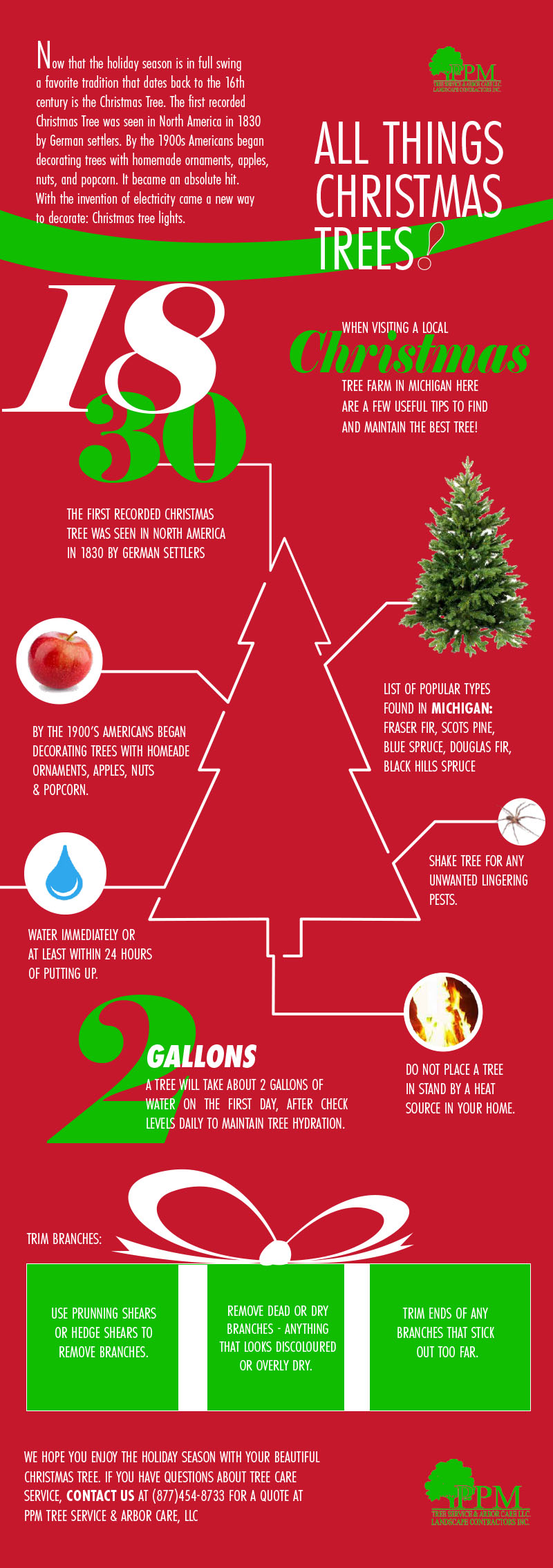
When it pertains to tree upkeep, recognizing the correct time to trim various tree types is important. Oak trees need a details trimming timing to flourish, while pine trees have their own trimming timetable that needs to be complied with. Additionally, fruit trees have a trimming schedule that makes sure ideal development and fruit manufacturing.
Understanding these timelines can considerably influence the health and wellness and appearance of your trees. However exactly how do you identify the suitable time for each and every varieties? Remain tuned to find the professional insights on when to trim various tree species for optimum results.
Oak Trees Trimming Timing
When considering cutting oak trees, it's vital to arrange this job during the inactive period for ideal development and wellness. Throughout this duration, normally in late autumn or winter, oak trees aren't actively expanding, making it the perfect time to prune.
Cutting oaks throughout inactivity helps advertise brand-new growth in the springtime and lowers tension on the tree. It's essential to avoid pruning oak trees during the energetic expanding period to prevent prospective damages and disease.
Pine Trees Pruning Arrange
To maintain the health of your pine trees, it is essential to stick to a normal trimming schedule. Pruning pine trees is typically done in late winter season to very early spring while they're still dormant. This timing aids lessen sap loss and anxiety on the tree.
Remove dead, unhealthy, or harmed branches initially, complied with by any kind of jammed or crossing branches. Stay just click the up coming page of trimming throughout the autumn as it can make the tree a lot more susceptible to winter months damage.
Regular trimming promotes good air movement and sunlight infiltration, which are vital for the overall well-being of your pine trees. Keep in mind, proper pruning strategies and timing are crucial for the health and aesthetics of your pine trees.
Fruit Trees Pruning Calendar
Keep the health and productivity of your fruit trees by complying with an appropriate pruning schedule. When it comes to fruit trees, timing is critical for guaranteeing an abundant harvest time after time. Here are some key points to consider:
- ** Spring Pruning **:.
- Trim in late wintertime to very early springtime before brand-new growth begins.
- Focus on removing dead or damaged branches to urge brand-new growth.
- ** Summertimes Trimming **:.
- Weaken excess fruit to promote bigger and healthier produce.
- Prune to enhance air flow and sunlight penetration for optimal fruit advancement.
- ** Fall Trimming **:.
- Clean up the tree after the harvest period to maintain shape and eliminate any type of diseased timber.
https://www.brownbook.net/business/51590256/precision-timber-felling/ .
Recognizing when to cut various tree species is important for maintaining their health and advertising development. Remember, 'A stitch in time saves nine' - suggesting taking care of trimming at the correct time can protect against larger concerns in the future.
Comply with the particular trimming timetables for oak, pine, and fruit trees to guarantee they prosper and remain to beautify your landscape. Keep in mind that proper timing is crucial for successful tree maintenance.
